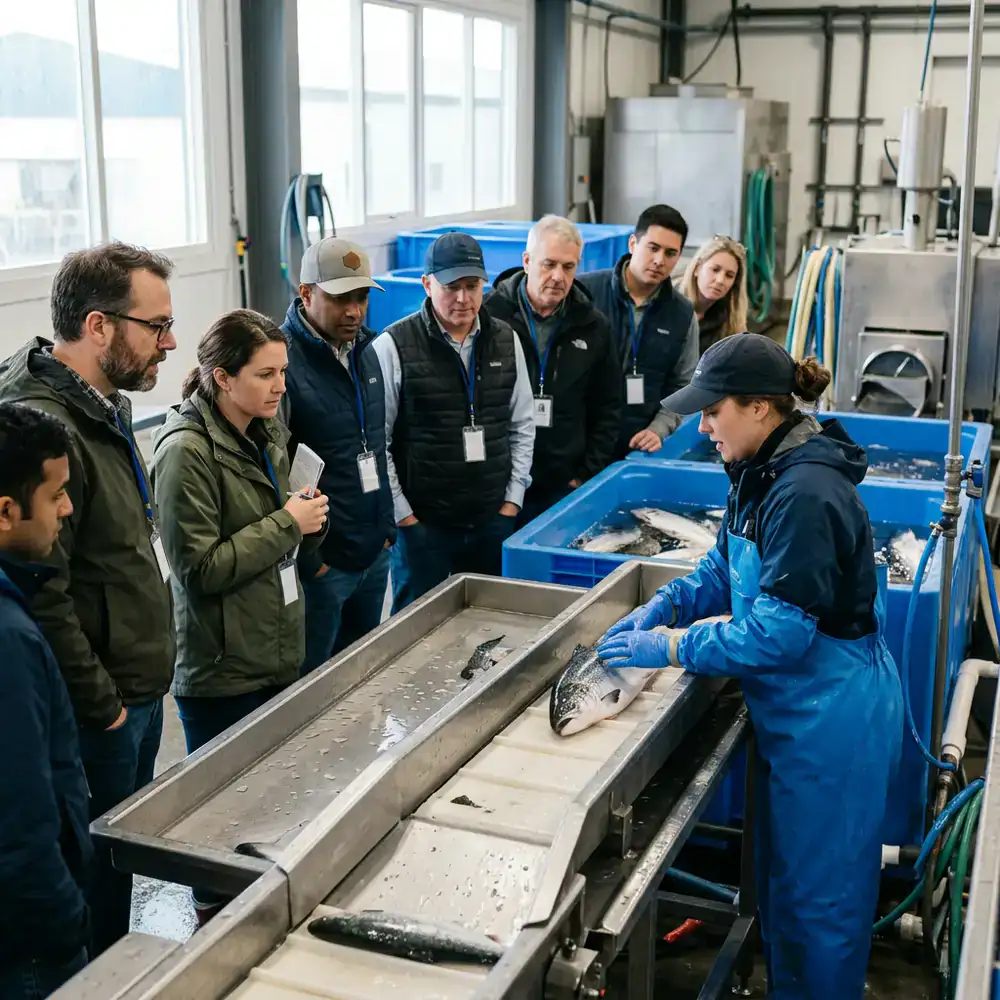
Understanding Responsible Farm Ecosystems
Nurturing Nature’s Harvest. We believe that an informed community is essential for the future of healthy seafood. Explore the science, dedication, and daily care behind our aquatic environments.
Explore Programs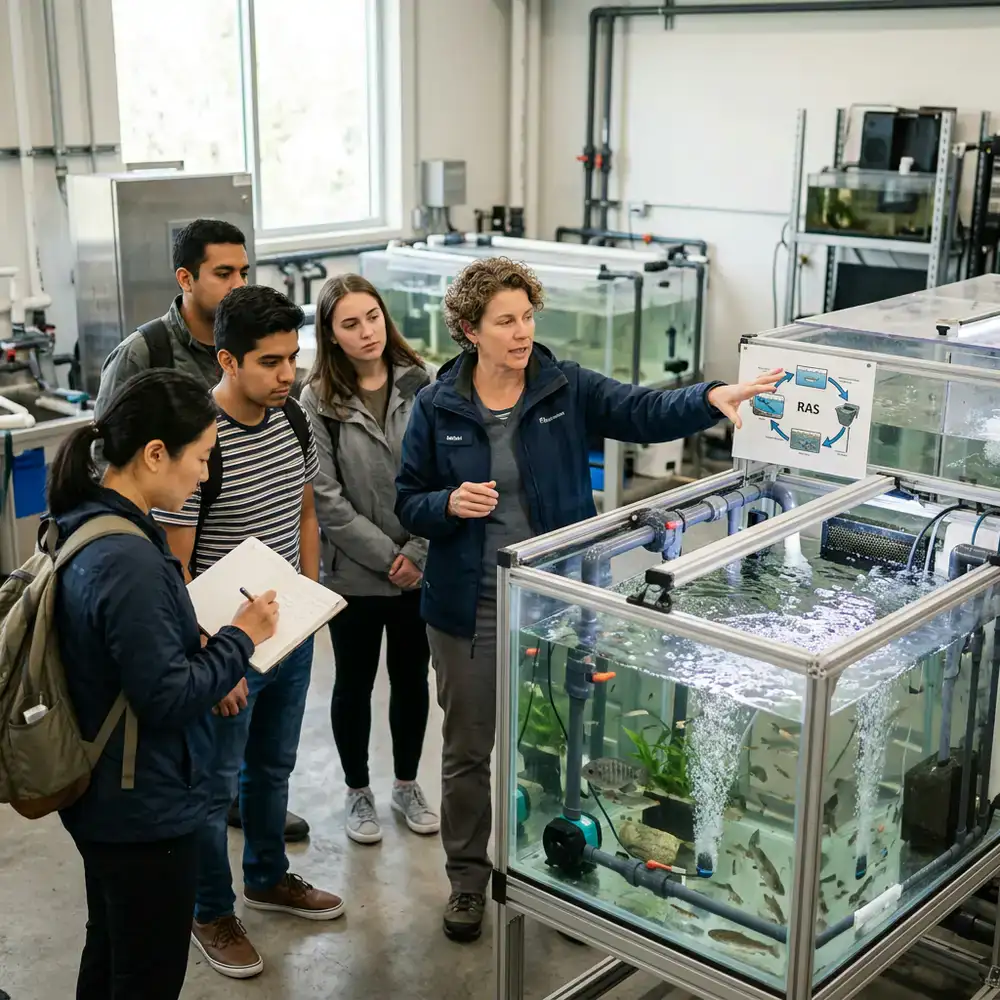
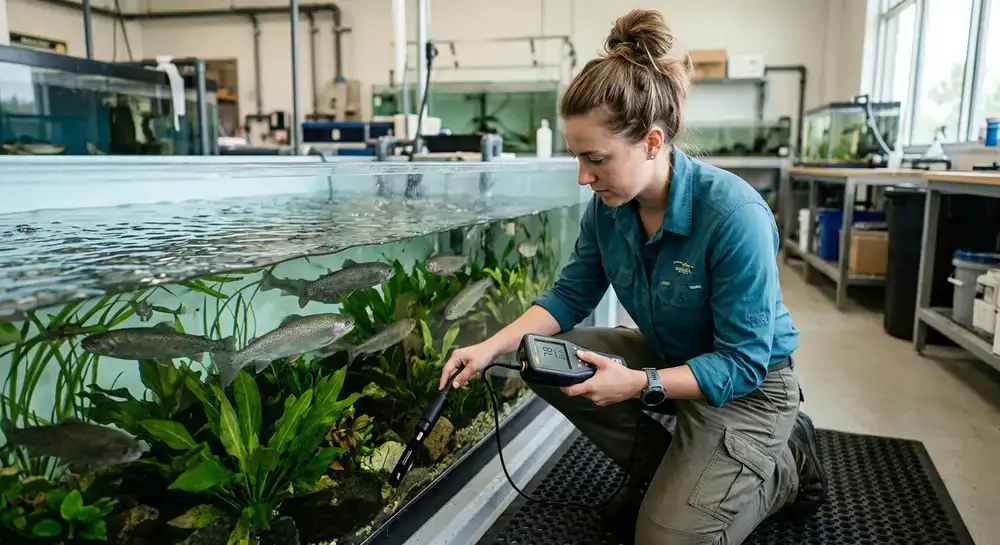
The Foundations of Fish Health
Sustainable aquaculture begins at the microscopic level. Maintaining optimal water chemistry ensures that our aquatic species thrive naturally, minimizing stress and eliminating the need for routine chemical interventions.
Our educational materials delve into the continuous monitoring of dissolved oxygen, pH balances, and natural biofiltration systems. By understanding these parameters, aspiring farmers and consumers alike can appreciate what constitutes a truly balanced habitat.
How to Choose Responsible Seafood
Making informed choices at the market directly supports farming methods that protect broader waterways. Here are the primary indicators of ethically cultivated fish that we teach in our consumer workshops.
Traceable Origins
Seek clear labeling that identifies the farm and the methods used. Complete transparency in the supply chain is the baseline for accountability and quality assurance.
Feed Efficiency
Operations utilizing highly efficient, balanced, or alternative protein feeds significantly reduce the burden on wild marine forage populations, keeping oceans healthier.
Water Stewardship
Look for farms that implement closed-loop technology or robust effluent management, ensuring that nutrient byproducts never degrade surrounding natural ecosystems.
Sustainable Fish for Tomorrow.
The global demand for high-quality protein continues to climb. Meeting this demand without irreparably depleting wild marine stocks requires a paradigm shift in how we cultivate aquatic life.
By studying natural species behavior and implementing strict bio-secure practices, we aim to demonstrate that high-yield aquaculture can indeed coexist seamlessly with rigorous environmental preservation.
Innovation in Aquaculture.
We regularly develop educational resources and host learning sessions tailored for agricultural students, transitioning farmers, and culinary professionals. Register your interest below to receive our foundational guides and updates on upcoming facility tours.